

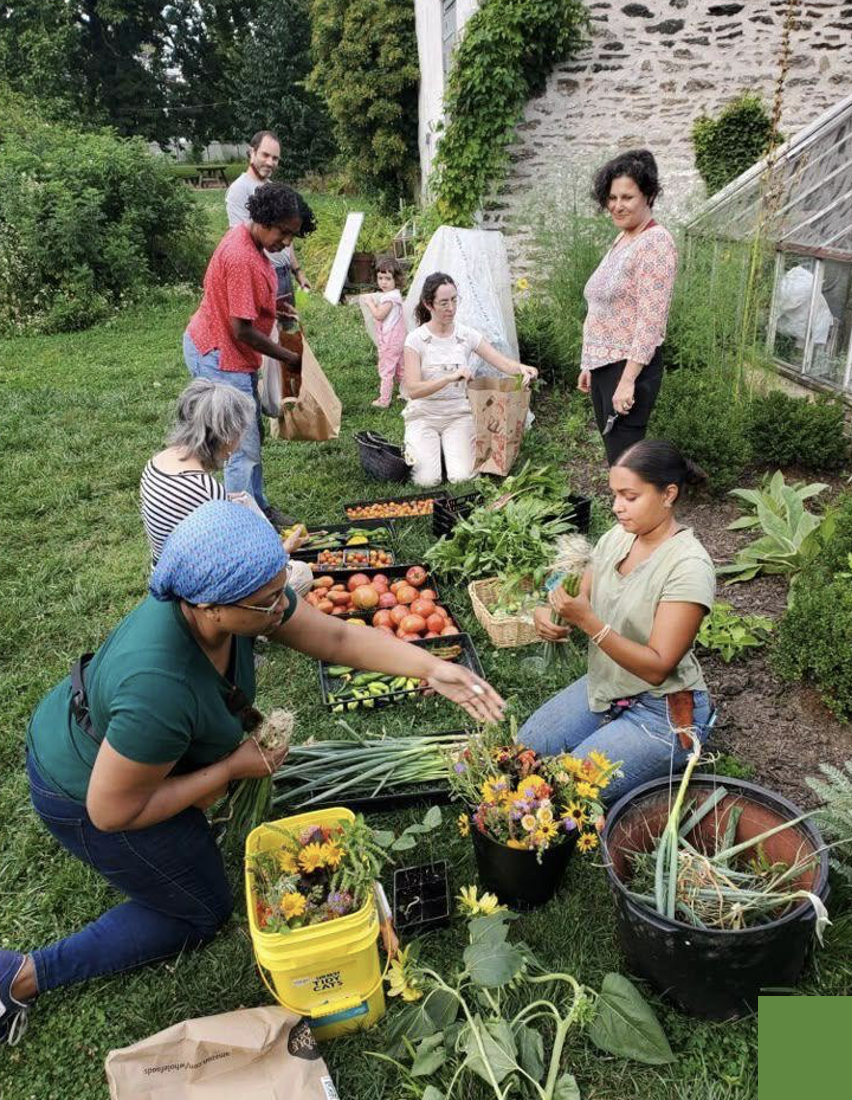
Community Led Climate Justice & Empowerment at Frogtown Farm
City Lead: St. Paul, MN
Year Completed: 2026
This project empowered Frogtown Farm’s priority communities, including low-income residents, people of color, immigrants, youth, and others facing systemic barriers, through climate justice initiatives focused on food sovereignty, workforce development, and collaborative governance with the City of Saint Paul. Through Frogtown Farm’s Grower Incubation Program, the six grower groups received access to land, infrastructure, tools, and culturally grounded mentorship.
Frogtown Farm and Plant Grow Share hosted a six-part community planning series designed as participatory planning spaces, not only to share knowledge, but to shift how decisions are shaped. Participants engaged in collaborative dialogue around climate-resilient growing practices, land stewardship, and food systems, while also identifying barriers related to land access, physical capacity, infrastructure, and resource coordination Participants included first-year growers, returning land stewards, herbalists, educators, and community organizers.
Outputs:
- The project strengthened collaboration among community members, government, and academic partners, and established two scalable models to support replication in other contexts (Download Toolkit and Project Summary)
- Key findings included: climate change is a direct and ongoing force shaping participants’ growing practices, seeds are a practical and cultural tool for climate resilience, participants were able to translate workshop content into tangible farm plans and planting strategies, and mutual aid and cooperative practices are not supplemental, but central to how participants adapt to climate change The project team noted that participants engaged with climate justice not only as a concept, but as a lived and actionable framework connecting land, health, and policy (Download Summary Report)
- 13 policy recommendations were produced that deepened participants’ understanding of how local growing connects to broader climate and food systems (Download Policy Recommendations)
- The training initiative delivered a comprehensive training package—including curriculum materials, a participant workbook, and a facilitator guide—to support continued learning and workforce development (Download Syllabus)